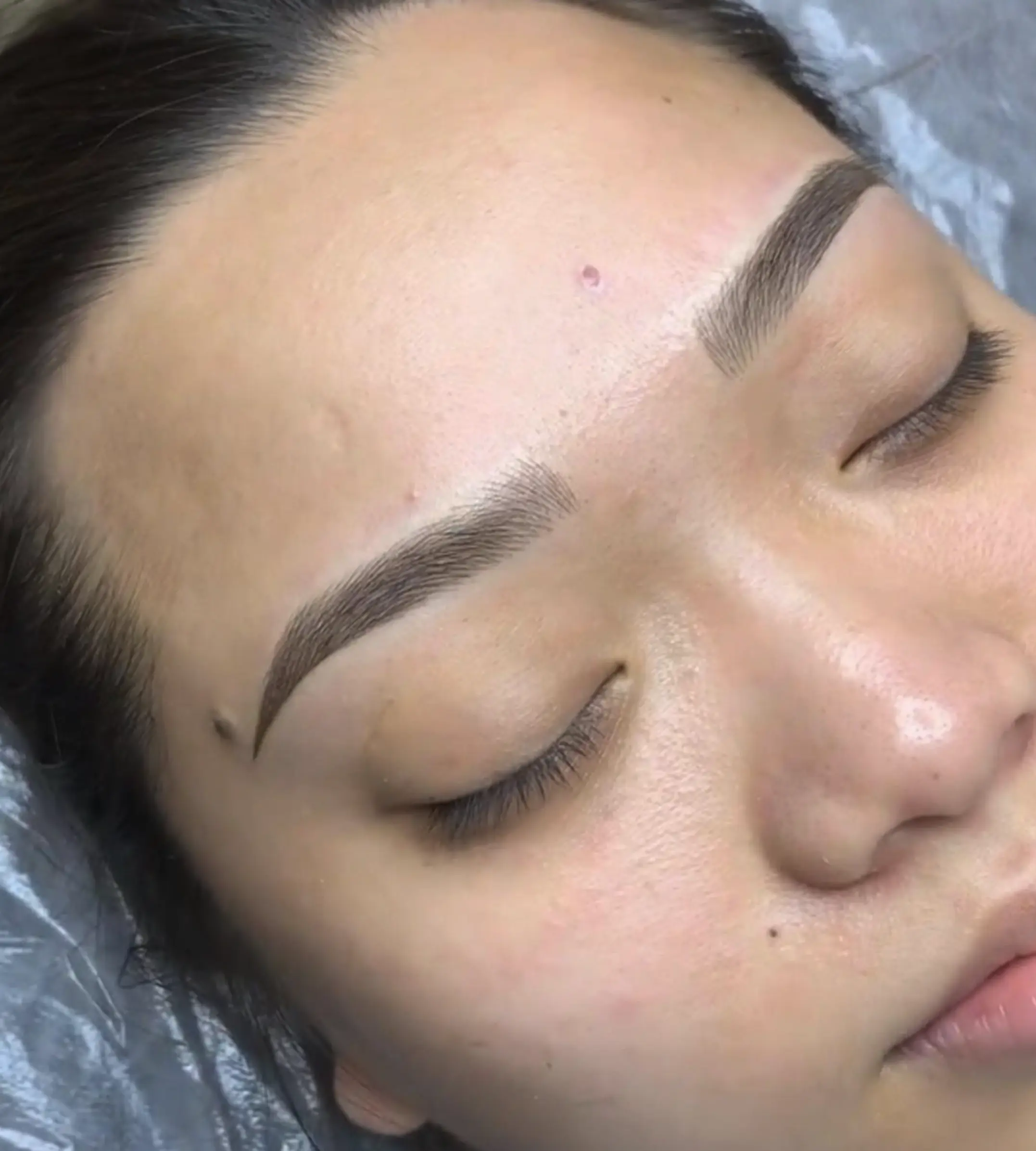
Microblading is a popular cosmetic tattoo treatment that enhances and reshapes eyebrows, providing natural-looking, fuller brows. Nonetheless, the success of microblading greatly rides on your skin type. Appreciating how different types of skins react to microblading is essential for getting perfect and lasting eyebrows. This article highlights microblading eyebrows on diverse skin types as well as tips that will enable all people achieve excellent results.
Microblading Before and After
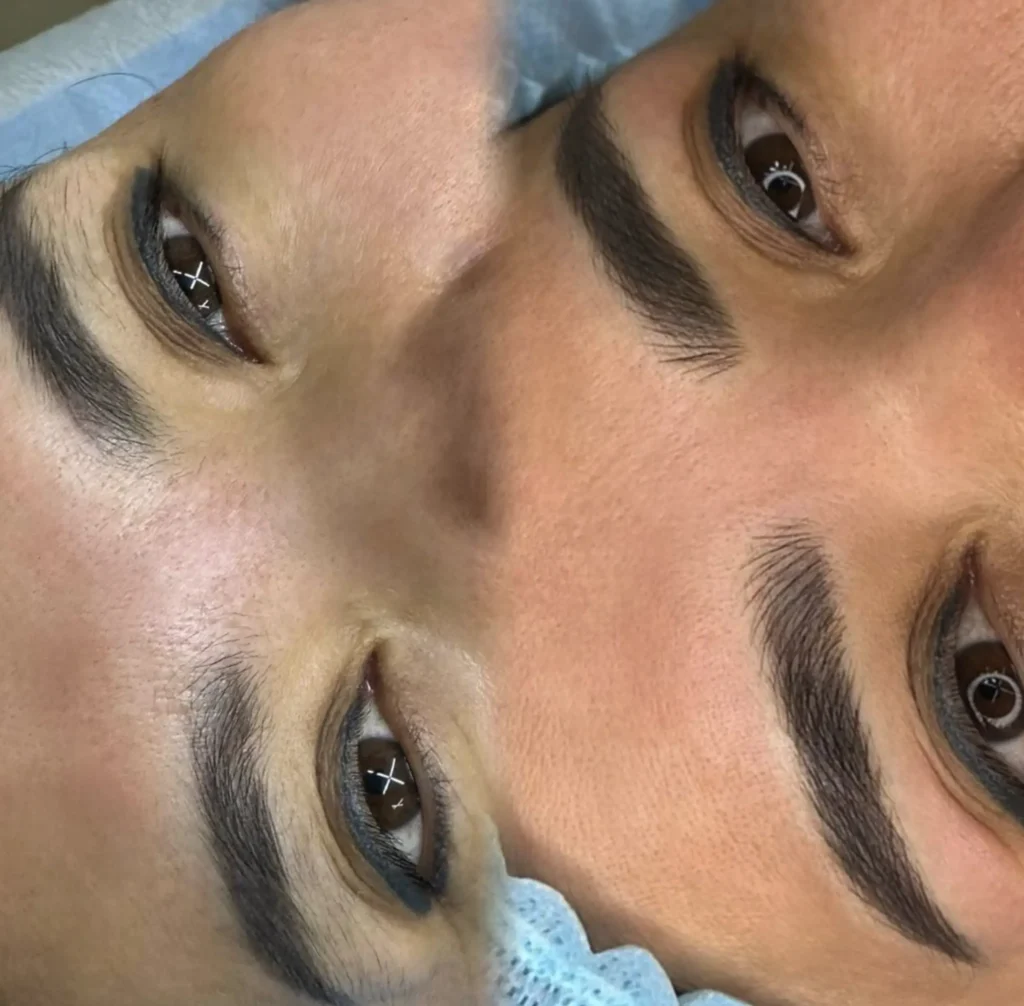
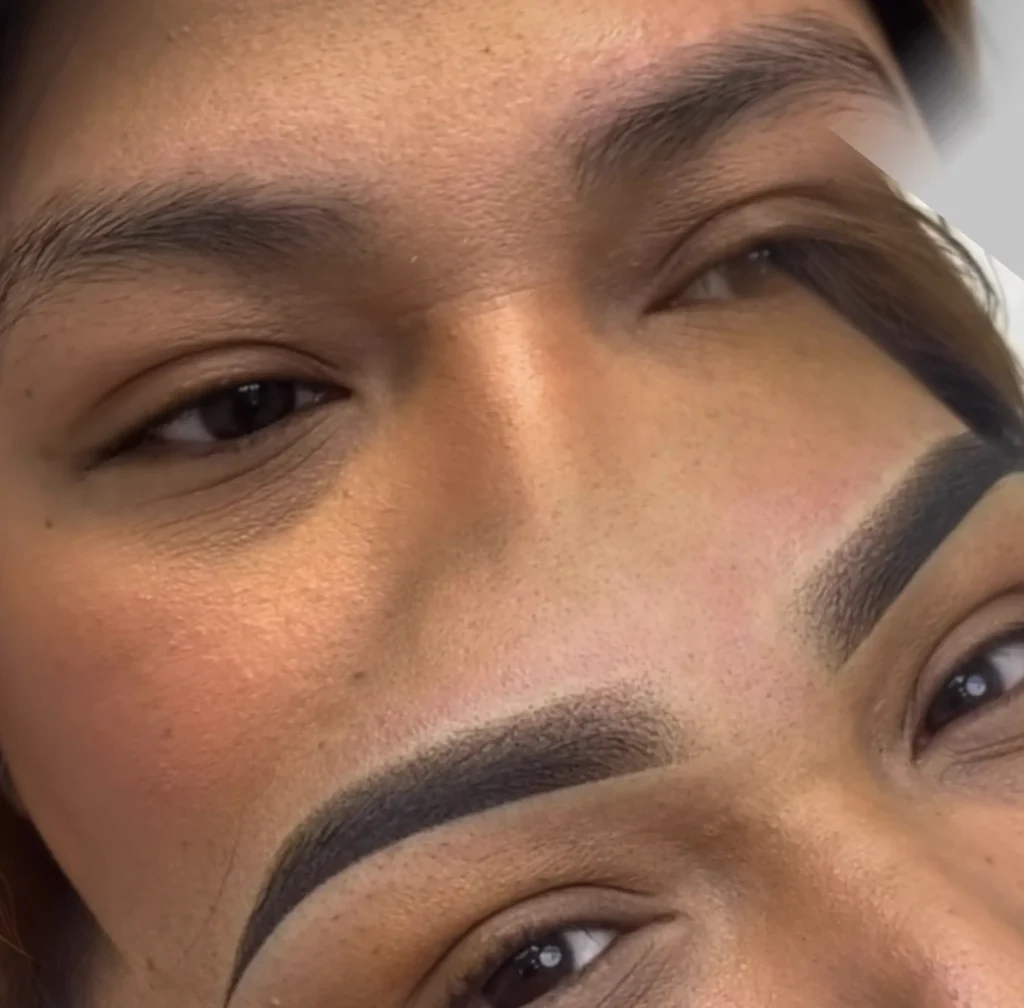
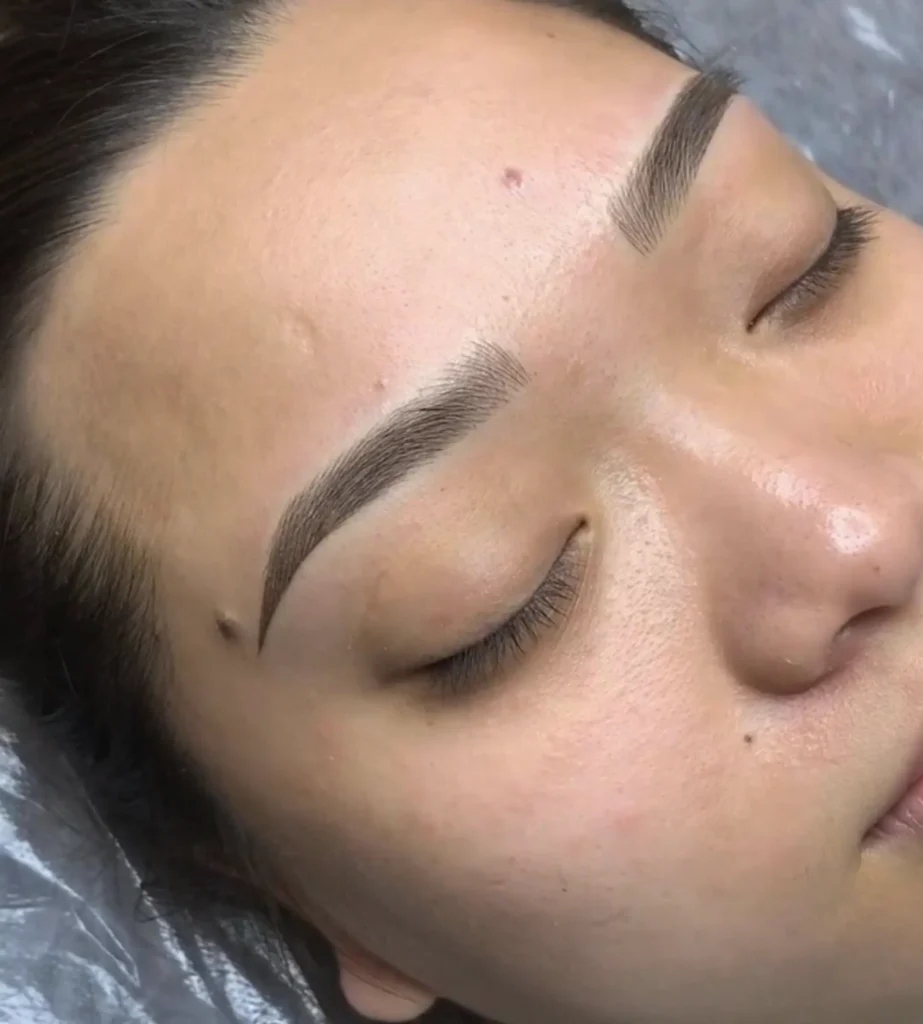
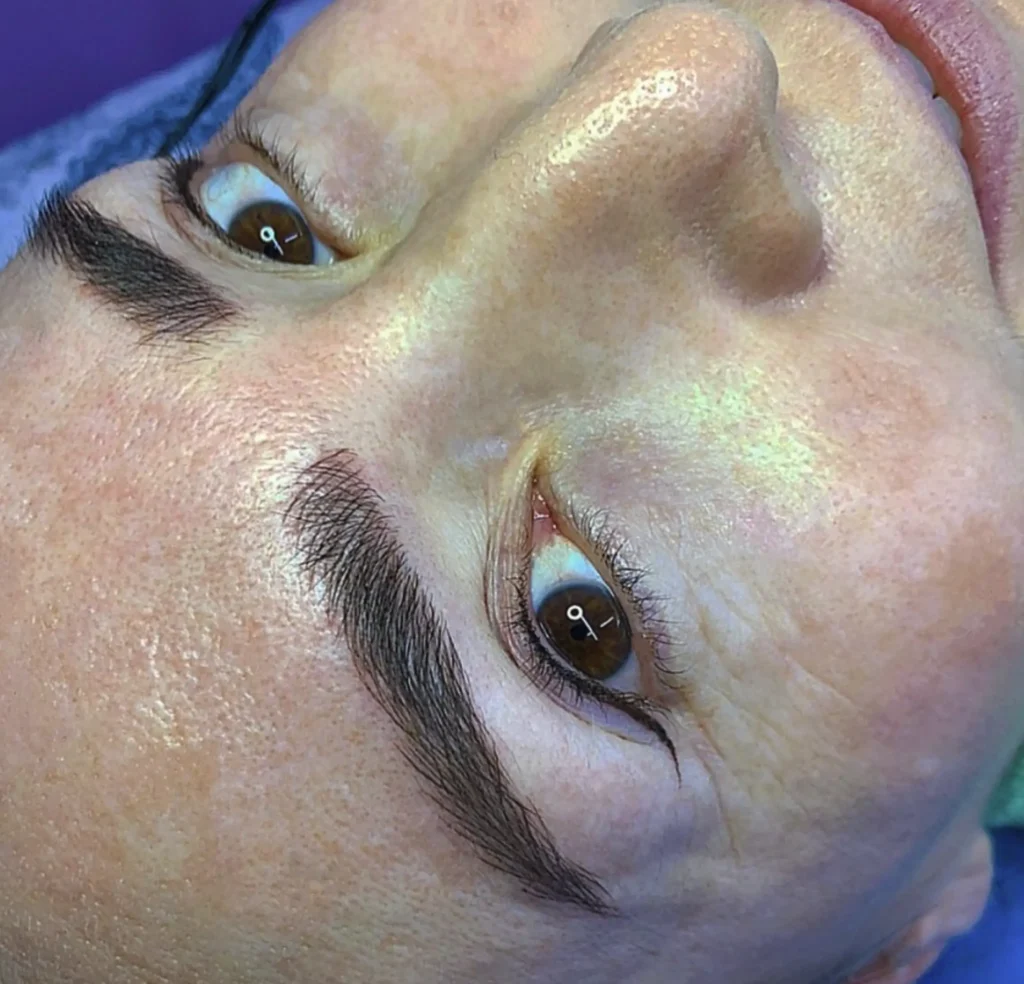
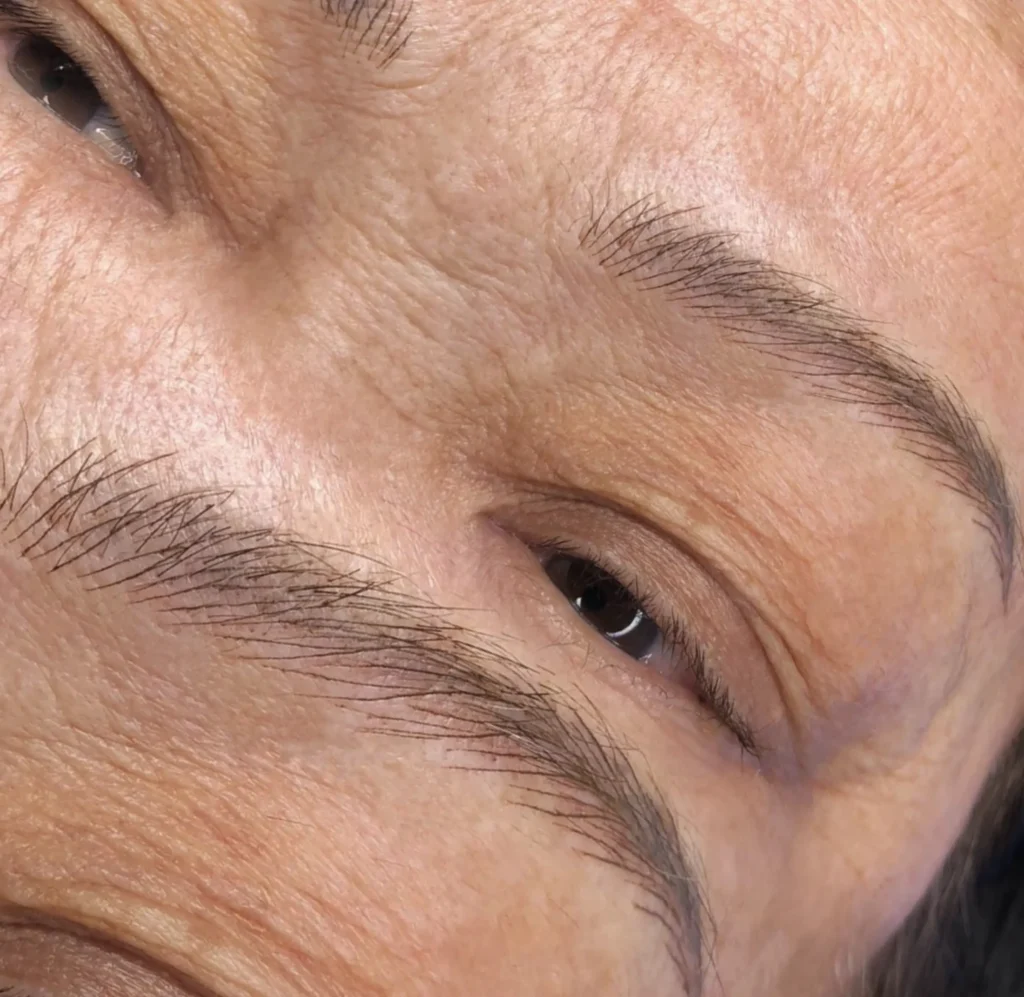
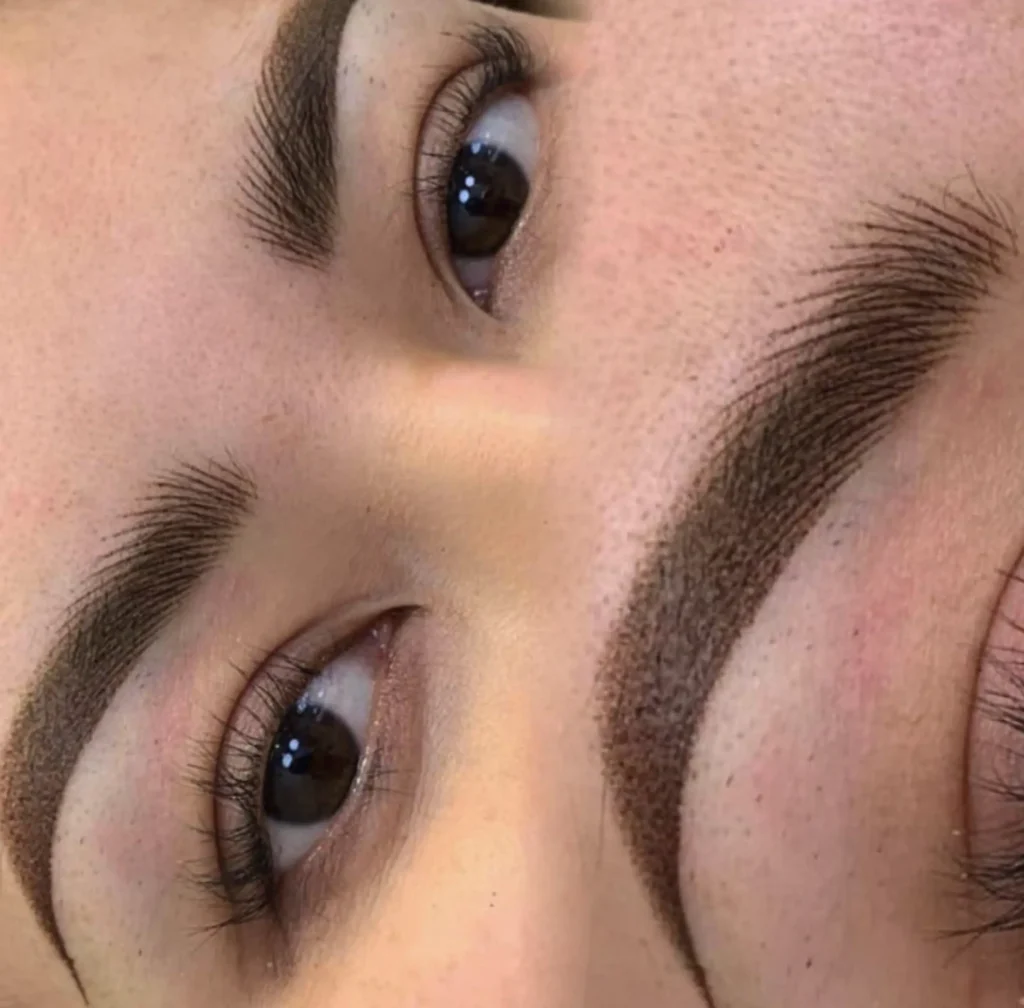
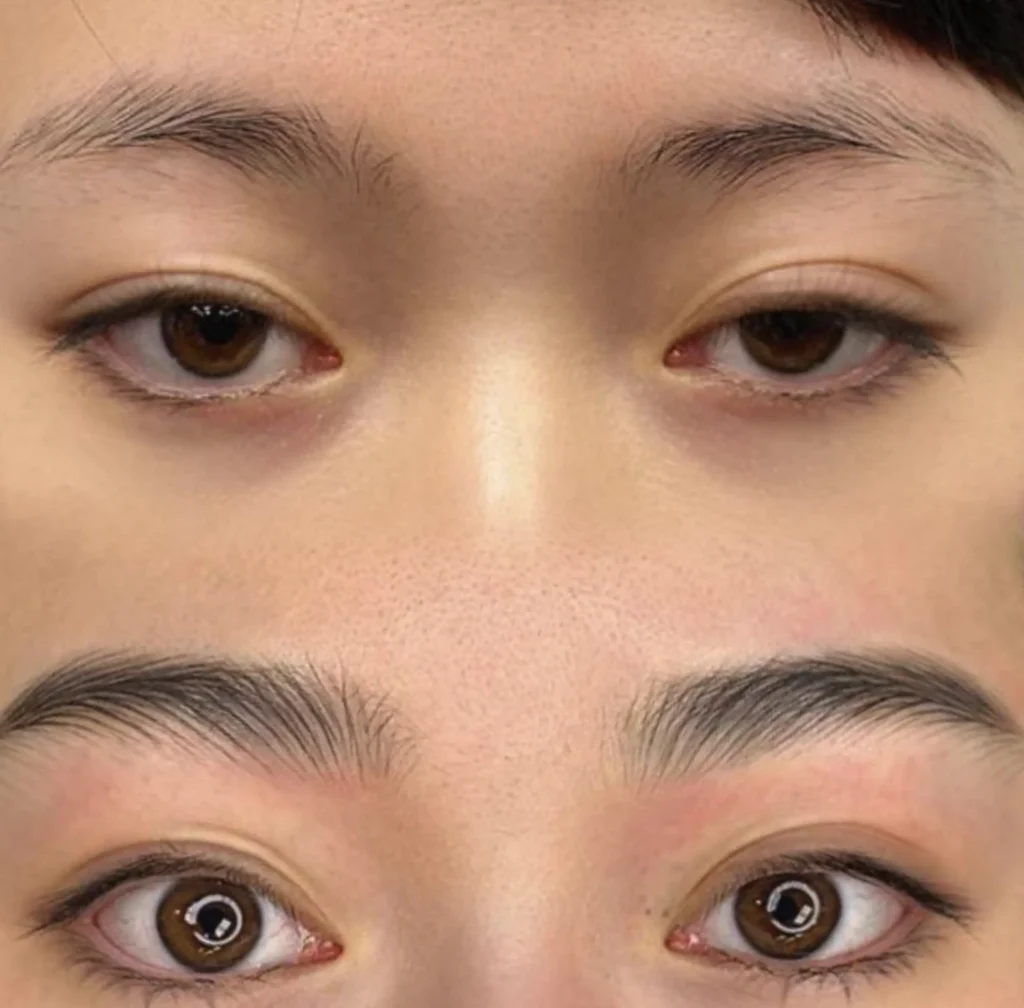
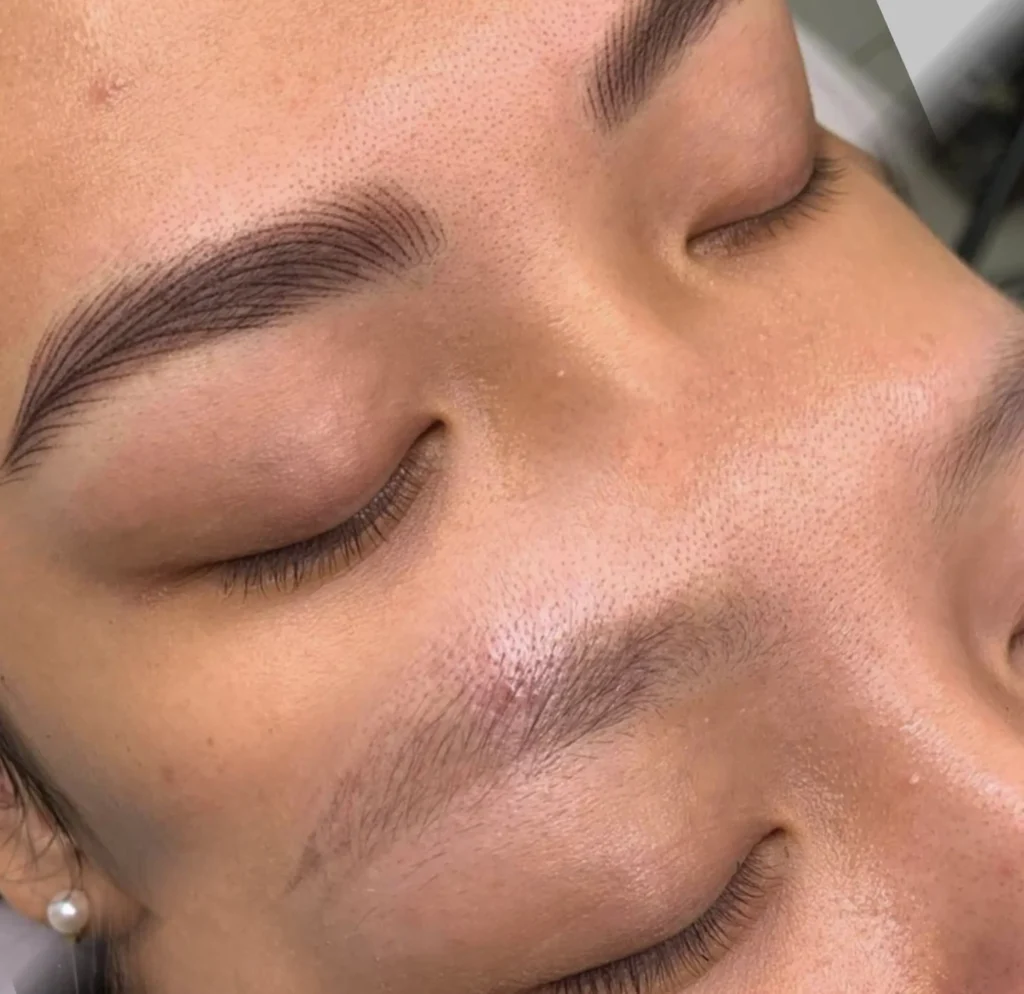
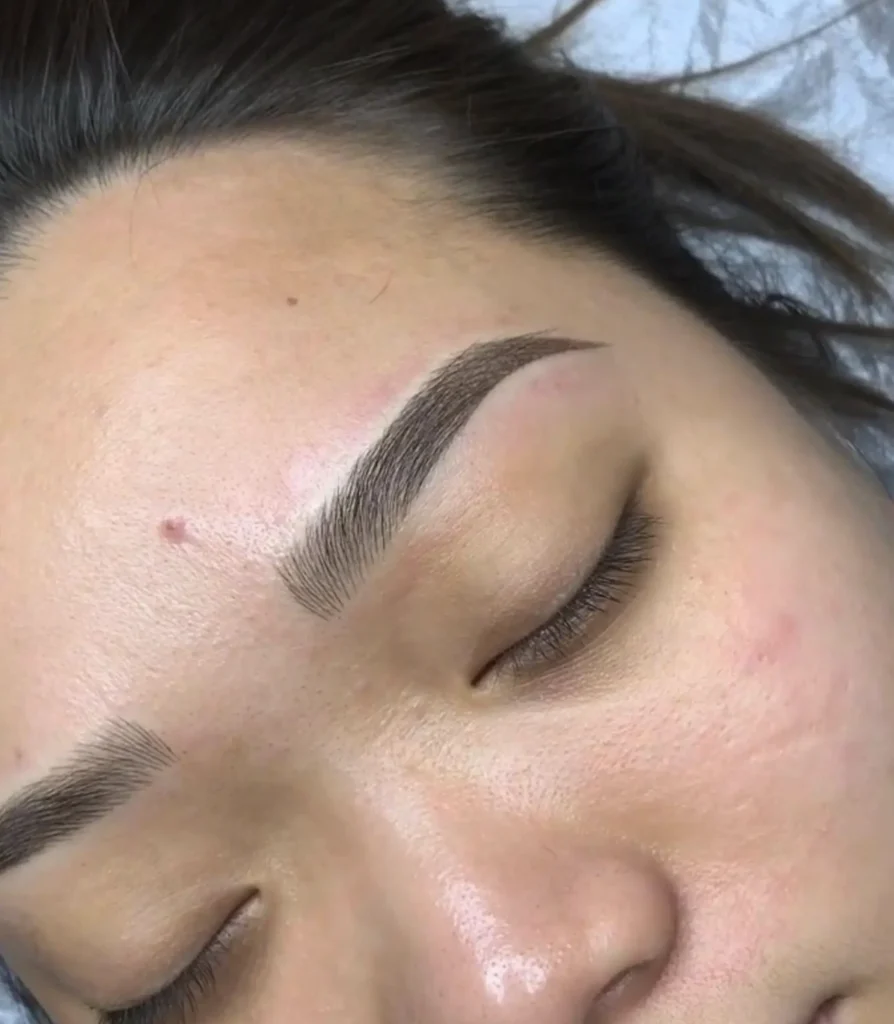
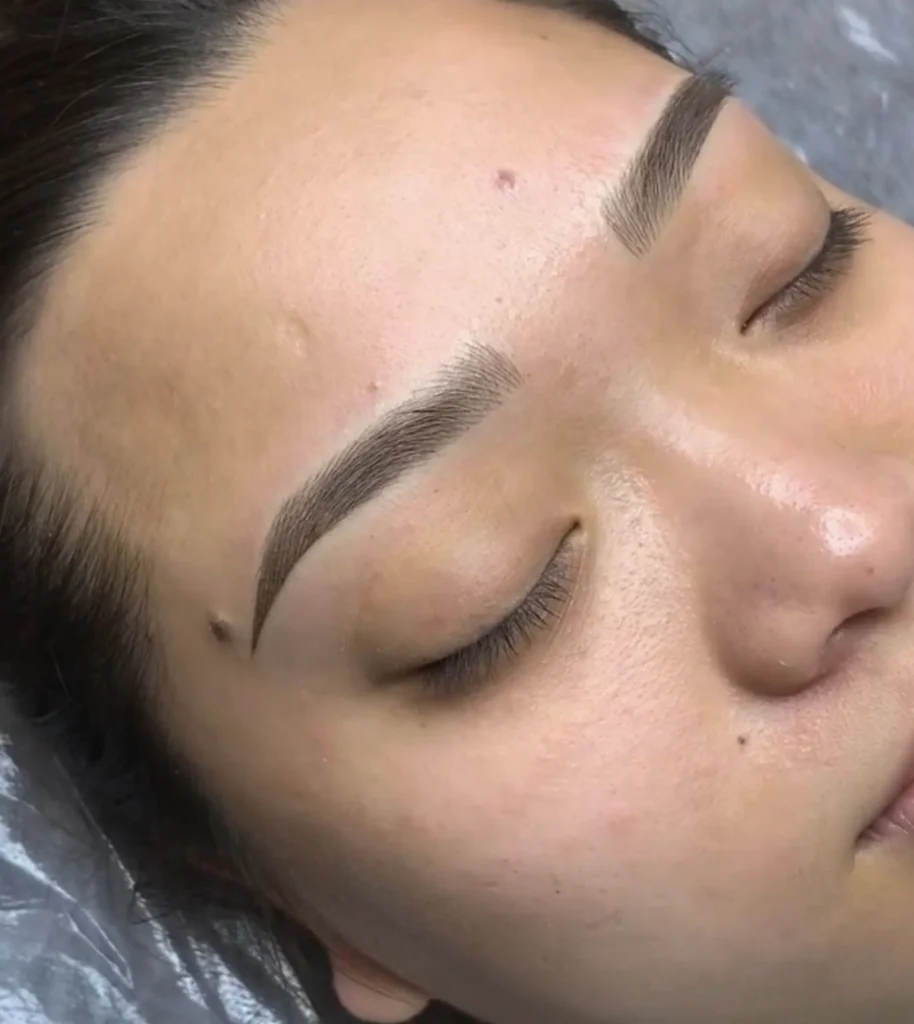
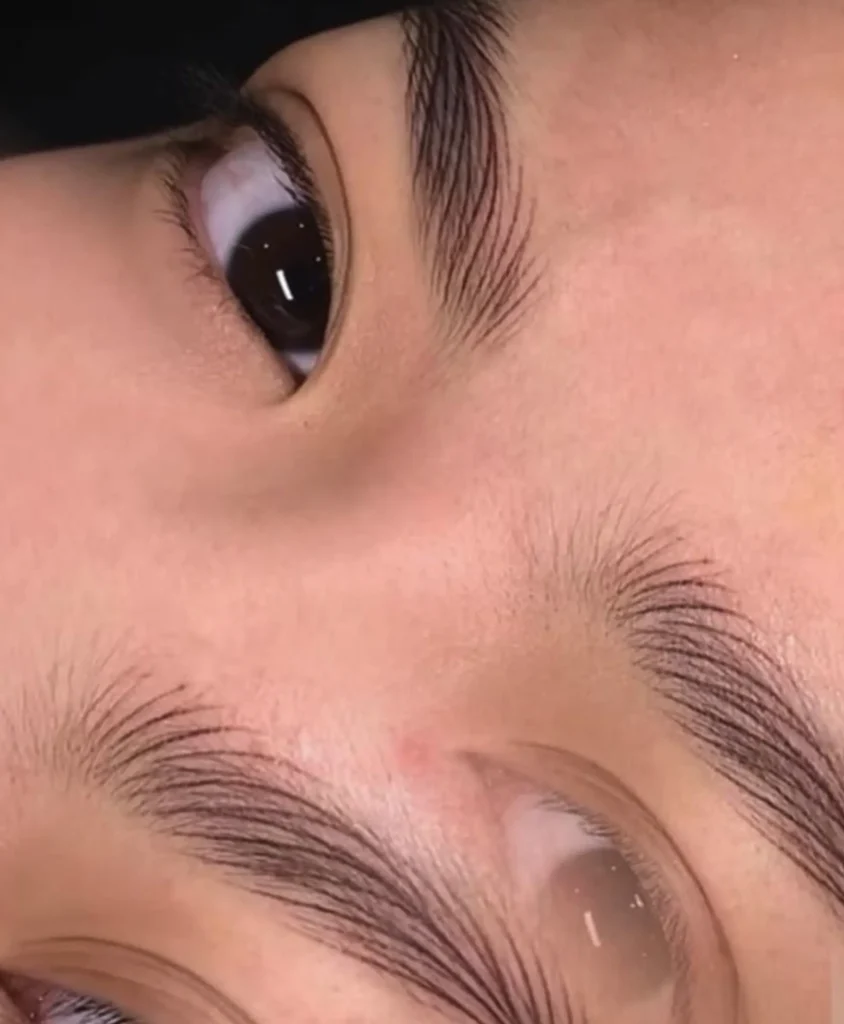
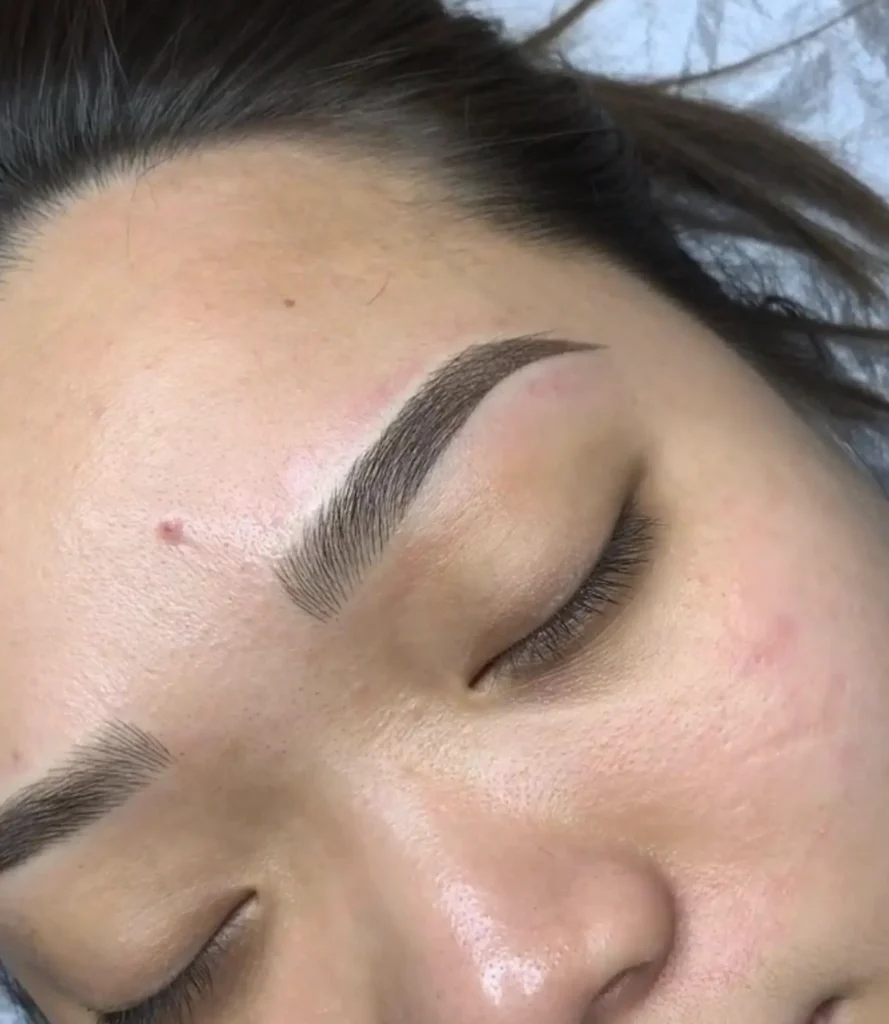
Understanding Different Skin Types
What Determines Skin Type?
While genetics play a major role in determining skin type, it can also be affected by environmental factors such as climate and pollution levels, individual skincare routines, and overall health. The kind of skin you have affects everything from what products you use to how you approach treatments like microblading. Broadly speaking, there are five major categories—normal, dry, oily, combination, and sensitive skins—of this type of skins called: which one do you belong to? Knowing your own skin type enables you and your practitioner to make informed decisions about the procedure.
Common Skin Type Categories
Understanding your own skin is only the first step in working out if micro-blading would work for you.
- Normal Skin: The moisture level in normal skins remains balanced since it produces enough sebum. It hardly has any adverse reaction against products or procedures making it an ideal candidate for microblading.
- Dry Skin: Dryness leads to flaky patches on the body meaning losing moisture while exfoliation through sweating may lead into dryness thereby peeling off dead cells revealing smooth new ones underneath them; thus pigmentation being absorbed more deeply than other forms hence darker more intense outcomes are likely.
- Oily Skin: The overproduction of sebum makes oily skins appear shiny and increases the chances for acne to develop on them compared with other types; due its oiliness’ faster fading of pigment by micro-blending can occur here after some time due its oiliness.
- Combination Skin: In this case, both oily and dry areas are found on the skin; usually the T-zone (forehead, nose and chin) is oily while other parts are dry. During the process of microblading, special care has to be taken in order to balance these regions.
- Sensitive Skin: For those with sensitive skin prone to redness or allergic reactions call for more gentle handling and should use hypoallergenic products during micro-blading.
Microblading Different Skin Types
Normal Skin
For Microblading Normal Skin
Normal skins are typically associated with less oil and responsiveness hence good pigment retention and smooth healing. With this type of skin, pigments stay much longer without being frequently refreshed because they adhere well to it.
Dry Skin
Characteristics of Dry Skin
The drying types can be problematic because they absorb pigments more deeply than other types often resulting in overly dark intense outcomes. More so, lack of moisture causes irritations during the healing period. Nevertheless, people with dry skin can achieve beautiful brows that are well defined by following correct aftercare guidelines as well as choosing appropriate pigments.
Dry Skinned Microblading
Before proceeding with the procedure on a person with a dry or moisture-lack skin condition, their practitioner must hydrate it adequately. Good maintenance practices also comprise using high quality dyes among others. Additionally, one must adhere to artist’s instructions regarding maintaining moistened surface throughout preternatural healing process.
Oily Skin
Why Microblading is Suitable For Oily Skins?
Microblogging may apply to individuals having oily skins but only after considering specific issues concerning such cases. Excess oil production may lead into pigment blurring thus creating less visible strokes of hair when fading starts faster that is why they are not retained long. However skilled technician knowledgeable about oily skin can adjust their techniques accordingly so as to ensure better retention thereby providing accurate results.
Microblading for Different Skin Types
The oily skin can make pores look more enlarged because of the extra sebum. These affect the retention of the pigment and its healing process. An artist may use a mix of microblading cosmetic eyebrow tattoo with microshading techniques to create a long-lasting final finish.
The Mixed Type of Skin
When it comes to microblading, combination skin types require a more personalized approach. Artists must consider oil and dry areas to ensure that pigments are applied uniformly and maintained in this condition. During this process, artists have to change the pressure they apply as well as pigment used in order cater for different parts.
Sensitive Skin Microblading
People with sensitive skins may experience irritations or even allergies when undergoing microblading treatments. The most important thing is to choose allergic-free pigments among other precautions strictly adhered to during aftercare. To reduce complications, good quality equipment should be utilized while applying less force.
How to Choose the Perfect Microblading Pigment
What needs to be considered?
Selecting the right pigmentation is key in achieving eyebrows that appear natural on your face based on your hair color and skin tone First you need some few issues:
- Skin Undertones: Whether your undertones are warm, cool or neutral will assist you in choosing an appropriate shade for your pigmentation.
- Color Depth/Intensity: The pigment has to match up with the natural hair and eye colors while still considering overall appearance of the skin in terms of darkness/lightness.
- Natural Hair/Eye Color: A good matching between these two appearances would give a smooth, natural but distinct look afterwards.
Recommended Pigment Colors for Different Skin Tones
| Skin Tone | Color of Suggested Pigments |
|---|---|
| Light Skin Tones | Soft brown, ashy brown |
| Medium Skin Tones | Caramel shades, warm browns |
| Dark Skin Tones | Ebony shades, deep browns |
To create a realistic effect one must choose the correct pigment. For lighter skin tones, ashy or soft brown colors are suitable; medium skin tones look great with caramel shades and warm browns whereas deep browns and ebony shades are recommended for dark skinned people.
Special Considerations
Customized Pigments for Unique Clients
Alternatively, individual pigmentation varieties may be combined to suit each patient’s specific undertone and overall skin color. This customized mixture aims at achieving a certain look depending on the variables considered by this artist who is well experienced in dealing with such issues.
Tips on How to Handle Microblading on Oily Skin
Best Practices of Microblading Oily Skin
Working with oily skins might be a bit more challenging as it tends to produce additional oil which is not always good when doing microblading. This is how you can handle micro-blades done on oily skins.
- Aftercare Routine: Maintain a strict post-procedure regimen that reduces sebum production and promotes proper healing. Among these include avoiding sweating excessively, keeping the area dry and clean.
- Manage Your Expectations: It should be noted that there could be very little difference in the results due to pigment fading faster hence requiring more touch ups than normal.
- Make an Aftercare Plan: Having a detailed aftercare plan including items used avoids confusion later on these clients’ part.
- Microblade Artist Should Be On-Speed Dial: Stay connected with your artist during the recovery process if any adjustments are needed or any concerns arise.
To ensure longevity of your microblade results you need to manage oily skin properly after treatment.
Other Microblading Options Suitable for Oily Skins
People with extremely oily composition of their skins might want to consider different options available like ombre brows or powder eyebrow tattoo instead of going through conventional ones since they would provide better long-term outcomes. These methods use general shading rather than individual hair lines, making them stronger because they are less prone to excessive oil produced by traditional microblading.
What to Expect While Healing
Initial Healing, Week 1
During the first week the area would redden and swell with initial scabbing. Cleaning it and keeping it dry is very vital. Avoid using any skincare products, which might irritate or interrupt pigment retention.
Scabbing and Flaking, Week 2
Scabs will form and flake off. It is very important not to pick at them as this could cause loss of color or other complications due to infection. Moisturizing with healing gel can help to manage the flaking.
Color Settling, Weeks 3-4
Pigment will begin to settle down revealing the final color. Keep moisturizing when necessary and follow instructions given by your artist after the procedure in order to heal best. Keep away from direct sunlight and excess sweating during this period.
Special Considerations for Oily Skin During Healing
Oily skin may have more crusts and take longer to heal. Ensuring proper aftercare such as no sweating too much as well as use right products during this time are essential in order to avoid complications, which can lead to better outcomes.
Selecting a Microblading Artist
Experience and Specialization
Find an artist who has worked on various skin types including those that are sensitive or oily ones. This way you would be assured that they know what needs o be done towards your skin type thus delivering quality work.
Portfolio and Before/After Photos
When one looks through entire collection of an artist’s works they get notions about their skillfulness and style uniqueness.Most importantly, There should be samples of before and after pictures of clients whose skins are similar like me so that I can tell if they are good or not enough for my case.
Healed Microblading Photos
Healed photos show what the artist’s work results look like over a long period hence a clear indication of his/her competence.This also helps determine how well the pigment stays and how natural it looks after healing.
Client Testimonials and Reviews
Reading reviews and testimonials can help you gauge client satisfaction and the artist’s reputation. Look for feedback from clients with similar skin types to get a better idea of what to expect.
Consultation and Communication
A comprehensive consultation is necessary, where one can talk about their desires as well as worries.An efficient conversation assists both parties in agreeing on common ideas that lead to higher work quality output hence a satisfactory experience.
Sanitation and Safety Measures
The performer needs to be clean so that infections do not occur. This starts by ensuring that equipments are cleaned up every time before use.
Licensing and Insurance
Find out if this contractor has been licensed or not, because this will show professionalism in work done by him/her.Furthermore, You should be aware that when anything happens at least there should be something like an insurance company which would take care applied by a technician till the issue comes back to normal again.
Cost and Pricing Structure
Know the cost implications of doing such procedures including hidden costs. Be cautious of those who charge too little since they could offer poor services.Investing in a skilled artist can save you from potential complications and the need for corrective treatments.
Personal Recommendations and Referrals
Ask close friends or family members about their suggestions on good microblading artists whom they have had good experiences with.This applies even when seeking assistance from relatives or neighbors who may know best ones among many people doing this thing within your locality therefore ending up choosing someone without much straining.
Conclusion
However, results tend to vary depending on your type of skin regardless of whether it is oily or dry.Therefore, understanding how your skin type affects microblading process plus adhering tips mentioned here will increase chances for obtaining finest feasible outcomes.Well-preparedness is important no matter what type of person’s skin whether normal, dry , combination , sensitive , oily, so that he or she will choose a suitable artist as well as maintain eyebrows for some time.
Frequently Asked Queries
What is the Fitzpatrick Scale and How Can It Aid in Color Selection?
It is a scale used to classify skin types based on their response to UV exposure, and therefore allows artists to choose the right shades of pigments that will blend with the client’s natural skin.
What Are Some Color Palettes That are Available for Microblading?
These range from light ashy blondes to deep ebony browns, which can be customized to match any natural hair color and skin tone.
How Does Pigment Selection Determine The Final Outcome?
The use of appropriate pigment ensures that colors do not turn ashy or too warm during healing.
Do I have To Test the Eyebrow Pigment Before Microblading?
Testing a small amount of pigment on the skin helps identify allergic reactions and confirm if the selected color matches what clients expect it to be.
What Are The Advantages Of Using Better Quality Pigments For Microblading?
Therefore, high-quality pigments last longer, retain their color better and do not usually cause allergies unlike those of poor quality; hence it gives much more satisfying results that last longer.