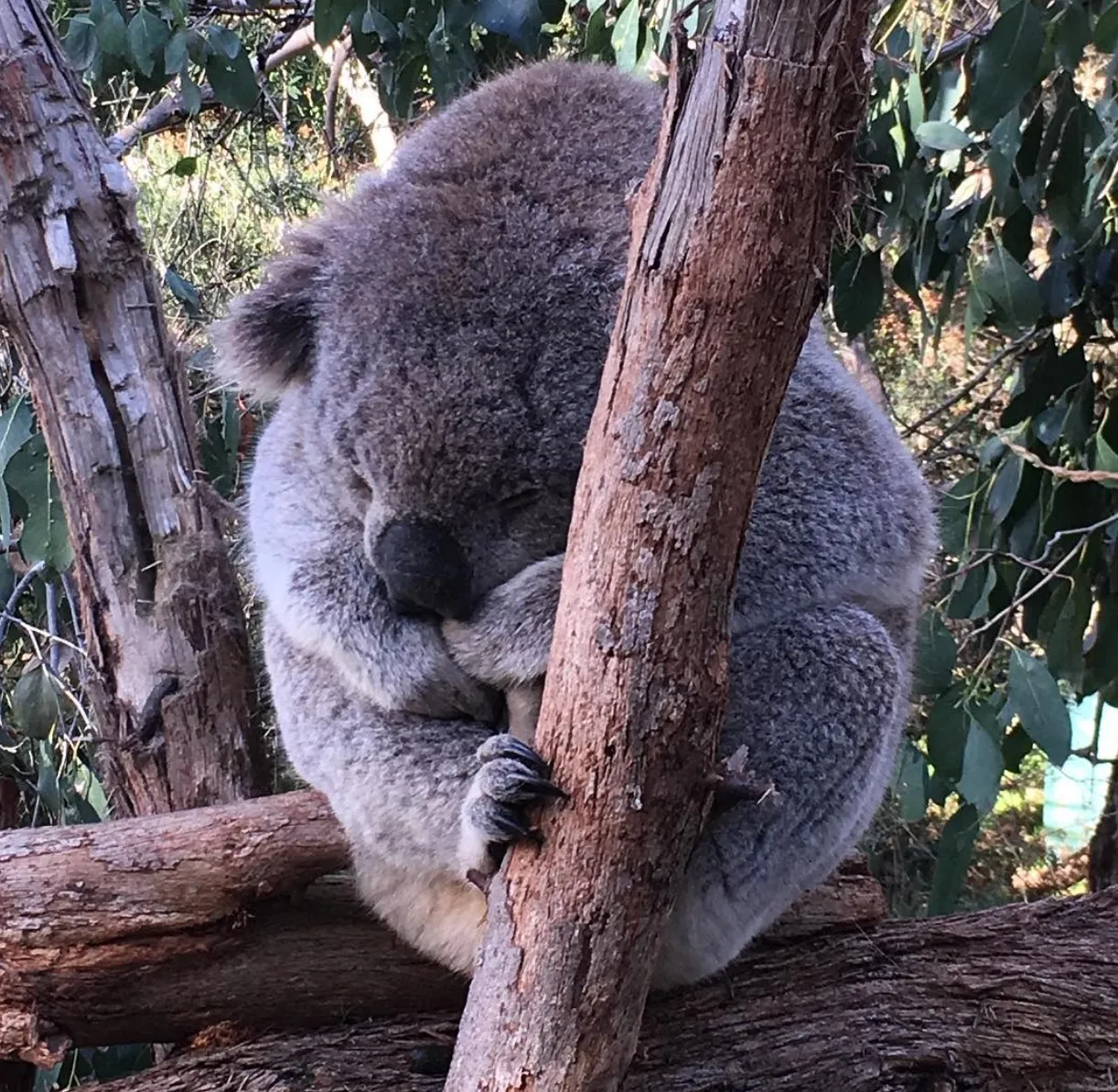
The Koala Conservation Centre is located on Phillip Island, Victoria, with beautiful landscapes that represent hope and protection for Australia’s iconic species, the koalas. Established in 1991, this specialized sanctuary provides a refuge for these intriguing indigenous aussie animals and plays an important part in the larger conservation scheme aimed at saving their fragile environments. This article examines various aspects of the Centre, its influence on koala conservation and ways people can contribute to it.
Vision of Conservation
Koala populations across the region were drastically dwindling; hence the establishment of The Koala Conservation Centre. Loss of habitat, bushfires and diseases like Chlamydia threatened cute koalas prompting their decline in number. The aim of this Centre is to provide secured environmental conditions for wild koalas’ nursing, rehabilitating research as well as helping them be self sustaining in nature. It is important that we preserve our wild koalas because they are native animals that affect generations to come through wildlife conservation.
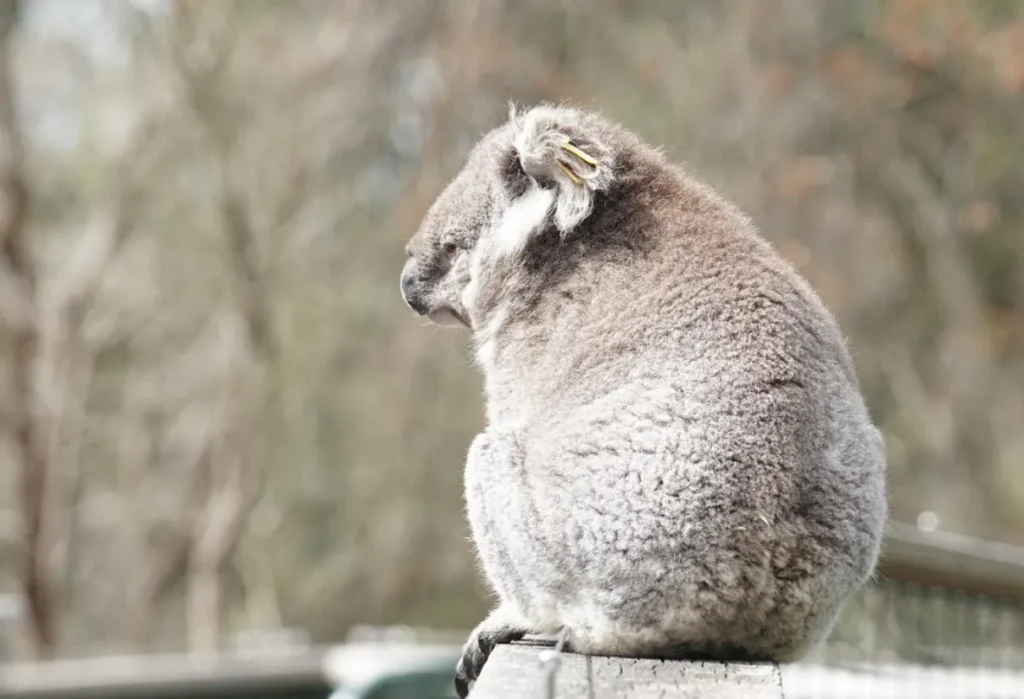
Exploration
This Centre takes up a significant area within native Australian bush land thus providing an interactive Australian wildlife experience which combines education with entertainment value. As visitors walk around these surroundings, they discover an environment reminiscent of what would be real Koala habitat complete with Eucalyptus trees that form a large part of their diet.
Tree Top Walkways
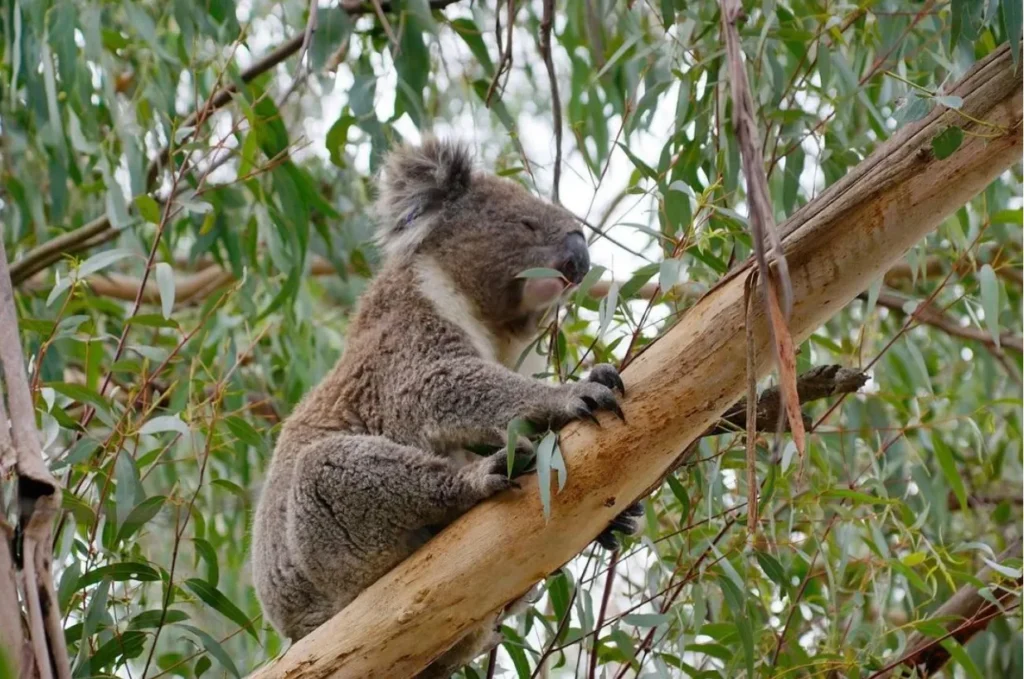
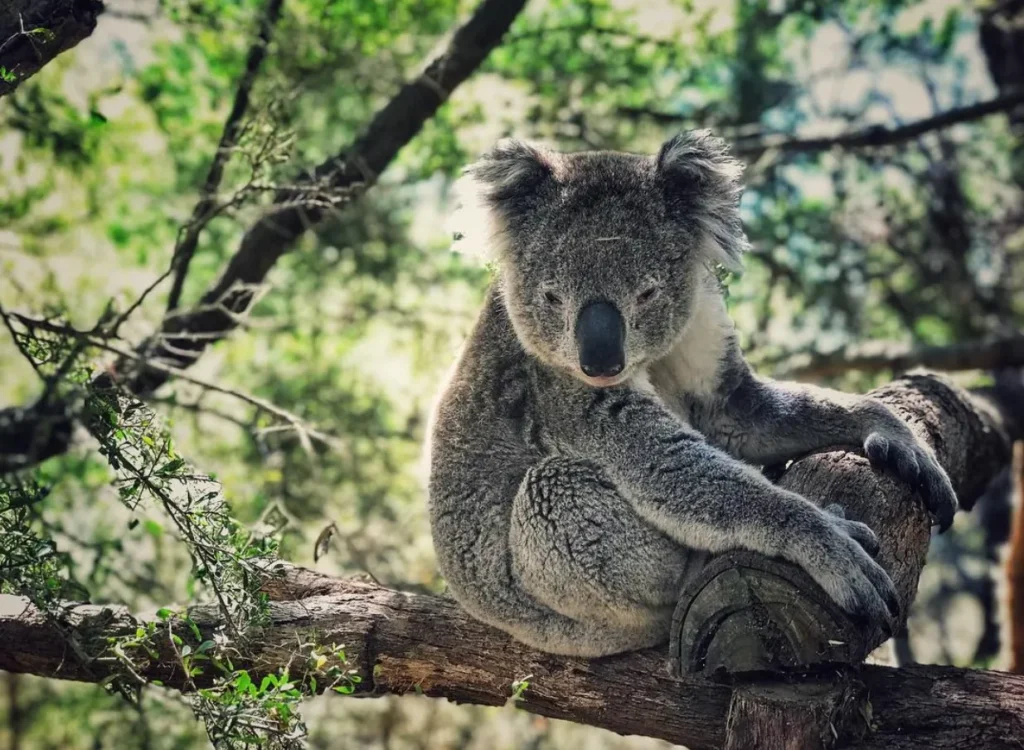
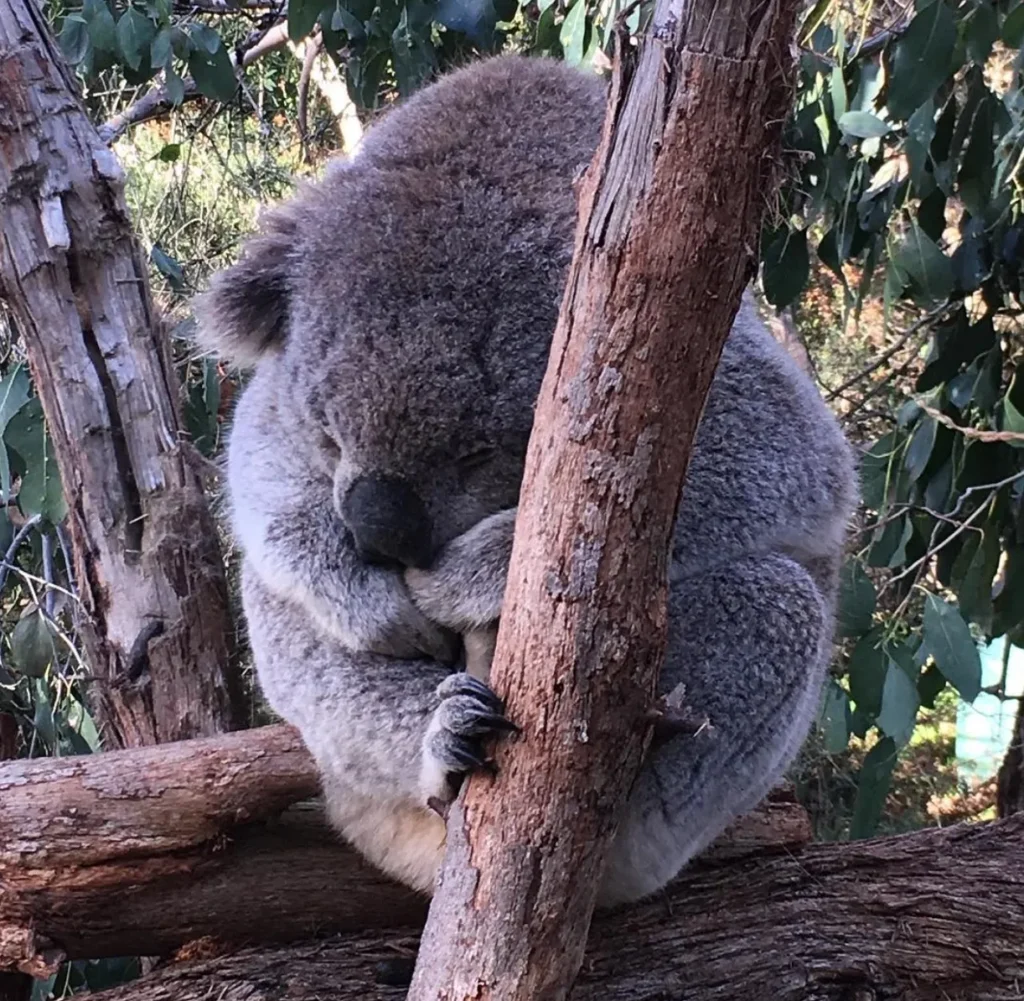
One good thing when visiting the Koala Conservation Center is gonna try out the treetop boardwalks series. From these aerial footpaths, one feels like he/she is walking among tree tops where one can sit lazily on branches or slowly munch leaves from one branch to another. In this way there will be no need for human activity interfering with their natural behavior yet we will be watching live bears not far away from us but through that marsupial we will have encounters with them. The ‘lunch nap’ habit or all-day moving around while eating makes it interesting. This is where one can have a closer view of koalas in their natural habitats and interact with them.
Koala Conservation and Research
There is more to this sanctuary than meets the eye. It is a sanctuary plus an important research centre for koala behaviour, genetics, and health status, among other things, undertaken by different scientists. Such studies are vital when it comes to developing effective measures that will assist in managing and protecting populations of these marsupials across the country. Besides, we should also mention the breeding program that has been implemented by this Centre to help maintain genetic diversity as well as good health among such iconic animals, which are essential for ensuring that they survive throughout generations. The Centre’s commitment to wildlife conservation includes collaborative research projects.
Educational Programs
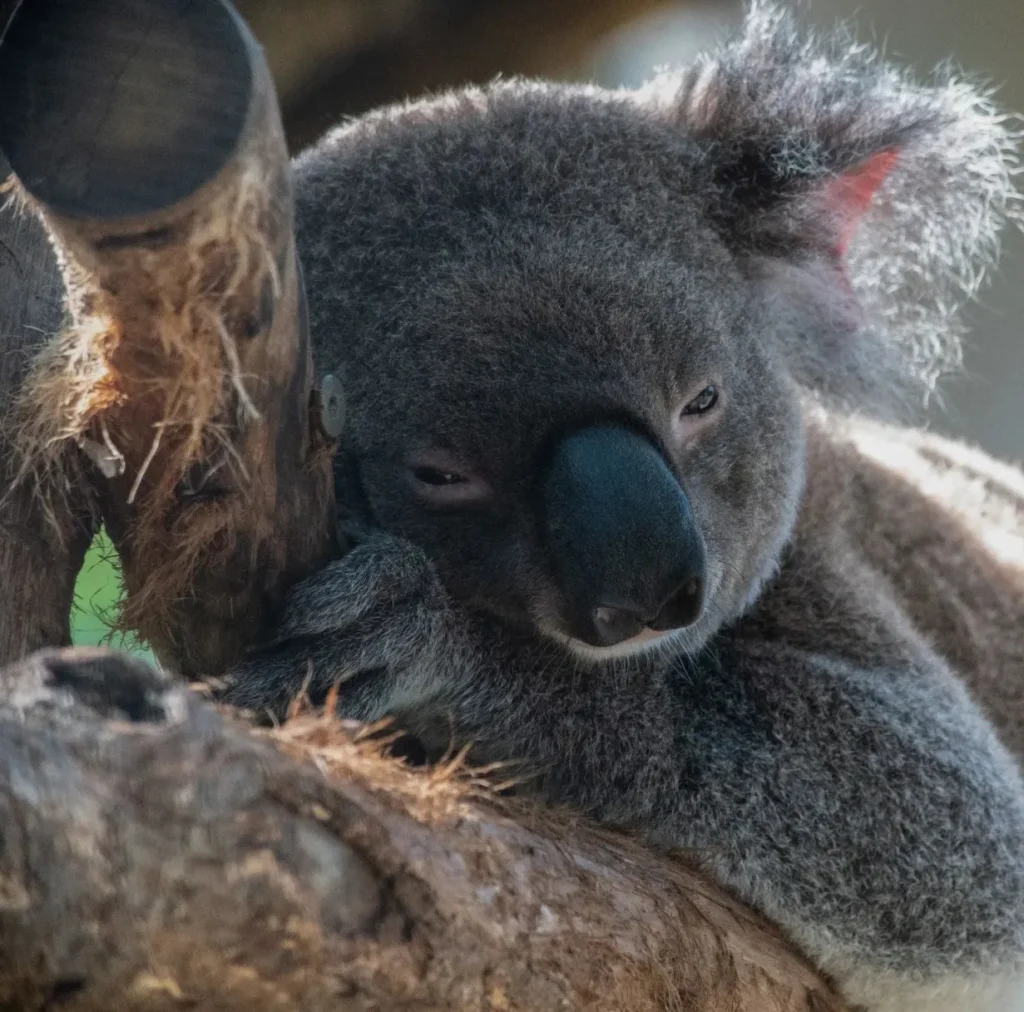
Education forms the heart of this Centre’s conservation efforts. Visitors are taught why it is necessary to save koalas from extinction through different school-based programs as well many others targeting ordinary people. While workshops, guided tours, interactive exhibits etc., show what ecological roles they play while surviving on Earth. These educationally ambitious awareness programs together form an all-inclusive strategy.
Impact of Conservation
The purchase of every ticket to the Koala Conservation Centre goes towards supporting the welfare of precious koalas and maintaining conservation practices. Additionally, the Centre also runs “Adopt a Koala” programs that involve individual sponsorships aimed at saving food and medicine or restoring habitats for koalas through activities such as building sites among others. This program aids in caring for these animals and makes local society aware of its continuous mission among them from day one when it was adopted to this date where we are today so that as we live together, the distance will be nothing else but a common goal! Not only do public contributions support funding into conservation initiatives and projects related to biodiversity management issues such as climate change, global warming, adaptation planning impacts, endangered species listing, endangered habitat destructions, international regulations, protection ecological services, prevention of biological invasion ecosystem restoration and species’ survival management.
Community Involvement
The Koala Conservation Centre is an example of sustainable tourism. These involve solar power usage, rainwater collection, and composting organic waste as ways of minimizing environmental damages. The Center has also fostered close linkages with local communities who pass on conservation messages there besides involving them in habitat restoration activities necessary for the survival of wild koalas. Core koala habitats must be maintained while regional partnerships maintain connectivity between koala habitats.
Act Now!
Walking along leafy tracks, watching, dozing, or playing with precious koalas gives an emotional picture of what is at stake at Koala Conservation Centre. However remarkable efforts to protect these charismatic marsupials depend not only on conservators but public backing too. Such educational researches ensure immediate actions that save the present life beings and encourage a national conservativeness culture.
In summing up Phillip Island Koala Conservation Centre is more than just your typical animal sanctuary; it leads the fight for survival on behalf of Australia’s most adorable creatures. It shows how determined preservation attempts can become and how the actions of informed, involved and passionate individuals can impact nature. Any trip to Australia is not complete without stopping over in this place, which will give you pleasure and assist you in making a legacy.
FAQ
How do I get to the Koala Conservation Centre?
You can easily reach the center by bus, car, bicycle or Koala Conservation Centre tour. Melbourne is approximately two hours away by car. Then turn off at Western Port Highway after following signs for Phillip Island from there. Detailed directions and maps can be found on their website.
What will I see at the centre?
For example tree top boardwalks take people close to koalas in their natural environment while others exhibit tell about koala conservation using educational displays. If required guided Phillip Island tours are offered that provide education talks enhancing visitor’s experience. Thus many Australian animal communities including other animals and koala habitat trees are found there.
Are koalas open to viewing all year round?
This sanctuary typically has a standing population of marsupials that shares its name, and it is possible to see them at any time of the year. However, these animals usually tend to be very active during daylight periods; hence the mornings or late afternoons are recommended for optimal sightings. Many koalas have been sighted with breeding season being no exception.
How can I get involved in the koala conservation work at this Centre?
One could do this by purchasing tickets at the gate, giving money directly or participating in “Adopt a Koala” programs where they become sponsors for these creatures. The funds provided by individuals are used for buying food, treating any form of illness and also restoring their natural habitat. Getting involved in conservation initiatives for koala habitats means there will be continued support of them.
Am I allowed to touch or feed a koala?
For security purposes and their well-being, direct contact, including feeding and petting koalas, is strictly prohibited. These guidelines were set up by the Centre to reduce anxiety levels among the animals as much as possible so that their natural behaviours can be exhibited easily. Nonetheless, The resident koalas guarantee that visitors and animals are safe.